SELF-INTRODUCTION

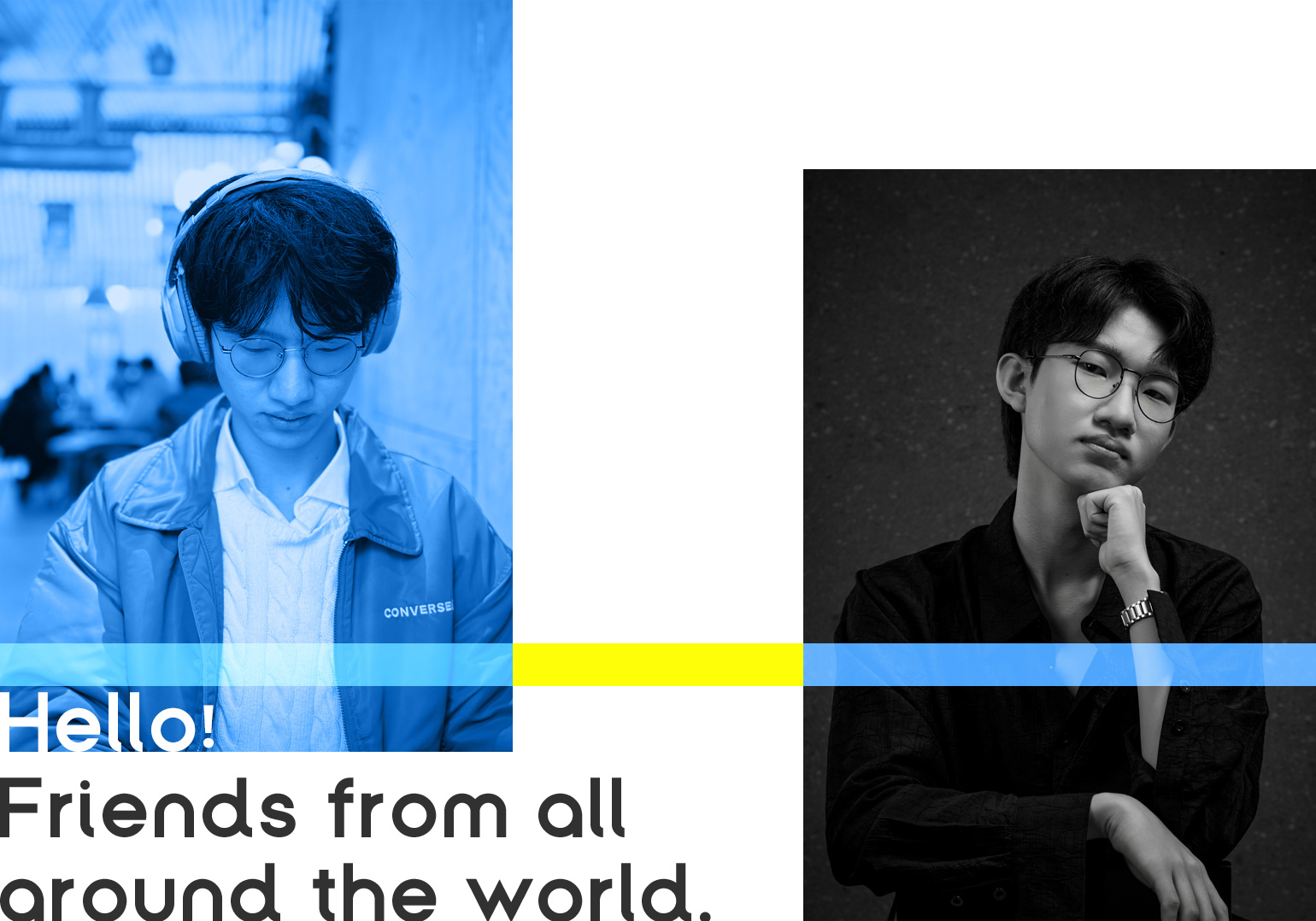
My name is Sun Yu'ang, but I am also known as Young – that's my short name, so feel free to call me that. I began publishing my work in 2025, and I hope you'll use this website to get in touch or learn more about me. I am a student studying games, films, and communication, as well as an amateur creator. I have written novels, created board games, and developed video games. Feel free to explore this website at your convenience! I hope you find these works interesting.
Like many clichéd artist biographies, I also want to share my life story. Every millennial child has parents with similar views, who harbor a strange hostility towards the entertainment industry and often ask, "Can't you channel that energy into your studies instead?" My parents were no different, though I was probably the most unconventional among my generation. From a young age, I showed remarkable talent in imagination, spending long hours lost in fantasy.

I was captivated by the games that were appearing on the iPad. And I loved writing all manner of stories and comics, with a particular fondness for superhero and science fiction themes. When your mind is perpetually churning out fantastical ideas, everything around you becomes rather dull. Amongst my peers, I seldom found anyone willing to listen, so I yearned intensely for a platform where I could express myself.

I first encountered a camera, and it felt as though the world had opened a brand-new window for me. I realised there was another way to express myself: by selecting fragments from the real world. I became passionate about street photography, particularly admiring Alex Webb's work. What powerful visual impact! What brilliant compositional creativity! I studied his approach, lurking in the corners of my small town where stories were about to unfold, pressing the shutter at that instant when order emerged from chaos. I also admired older photographers and their work, such as Robert Frank. I spent years exploring stories on the streets, and to this day, the compositional methods of street photography continue to influence my creative practice.

The second event in my secondary school life that profoundly shaped my future path was developing a passion for cinema. After honing my skills in street photography, I found myself drawn not to the narrative texts of mainstream films but rather to their visual composition and editing. That was 2019, when online streaming was taking off and an increasing number of streamers were emerging. It was a line of work that appealed to me. I taught myself editing by watching films and learned to produce film reviews and gaming commentary videos. At first, I was just a clueless secondary school pupil with no understanding of media, and the content I created held little appeal. Later, I began identifying market gaps, producing videos with distinctive styles that gradually gained traction. It struck me that no one seemed to offer professional film analysis. While I was undoubtedly an amateur in this field, years of creative work had equipped me with considerable experience. From that perspective alone, I had plenty to share. My creative approach quickly resonated with audiences, and through my work, I earned my first significant income.
After earning some money, besides buying lenses for my beloved camera, I also spent money on taking a few university online courses. Those years saw a real surge in self-directed learning through online courses – partly due to the COVID-19 pandemic, but also because such courses genuinely proliferated during that period. Studying university-level courses ahead of schedule proved quite an eye-opener for me as a secondary school pupil. I discovered that everything I had ever imagined had already been researched by others long ago. I realised all knowledge was far more complex than I'd ever imagined – it was structured, with each piece of knowledge interconnected to another, and every theory tied to a historical context. This was a world entirely different from what I'd previously encountered. It also differed significantly from the dry knowledge presented in secondary school textbooks. I had always detested my secondary school curriculum, loathed examinations—particularly the Gaokao—and believed that education should not be an inevitable choice. Too many genuinely gifted individuals lose opportunities within the school system. I held the Gaokao in utter contempt, which is precisely why I was never considered a model pupil. Yet upon encountering higher education, I resolved to gain admission to a university.
In less than a year, I surpassed everyone at school. Teachers and parents began to regard me with new respect, and many even suspected I had cheated my way to progress. But I soon proved them wrong. I have always believed that when someone finds purpose, they become stronger, and I am living proof of this truth. In the Chinese Gaokao, reputedly the world's most challenging examination, I achieved remarkable results in just one year and gained admission to a top-tier university.

Most courses proved rather mediocre, so I found myself drawn more to self-directed study. Within a year, I had read the classic theories of communication studies, developing a particular fondness for the works of Neil Postman, Henry Jenkins, and others. These theories were fascinating, yet in lectures, tutors merely repeated knowledge I had already grasped. Examinations posed little difficulty for me, and my academic workload remained manageable. Consequently, I found ample opportunity to pursue my own interests.
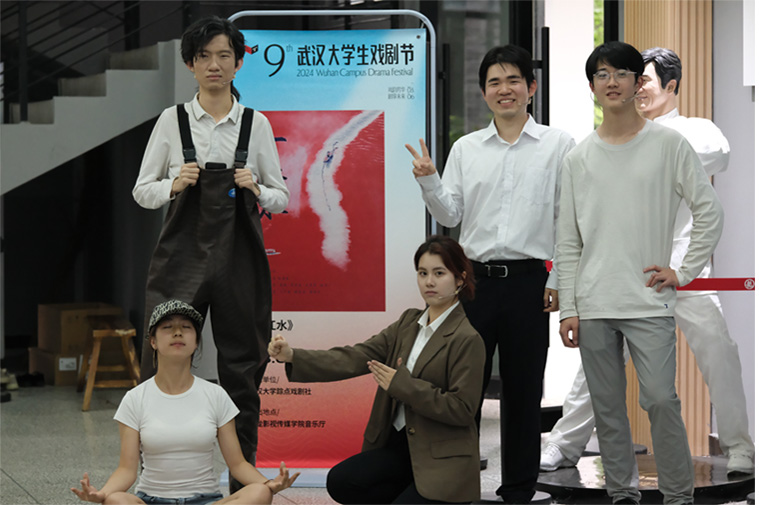
I founded a theatre company, wrote a realist play about Chinese farmers, and took the troupe on a tour around the city.
In the years immediately following ChatGPT's emergence, the world underwent profound upheaval. From a theoretical perspective, I penned a novel exploring human-machine relations. This work continues to be discussed by students at our university to this day.
In the years immediately following ChatGPT's emergence, the world underwent profound upheaval. From a theoretical perspective, I penned a novel exploring human-machine relations. This work continues to be discussed by students at our university to this day.
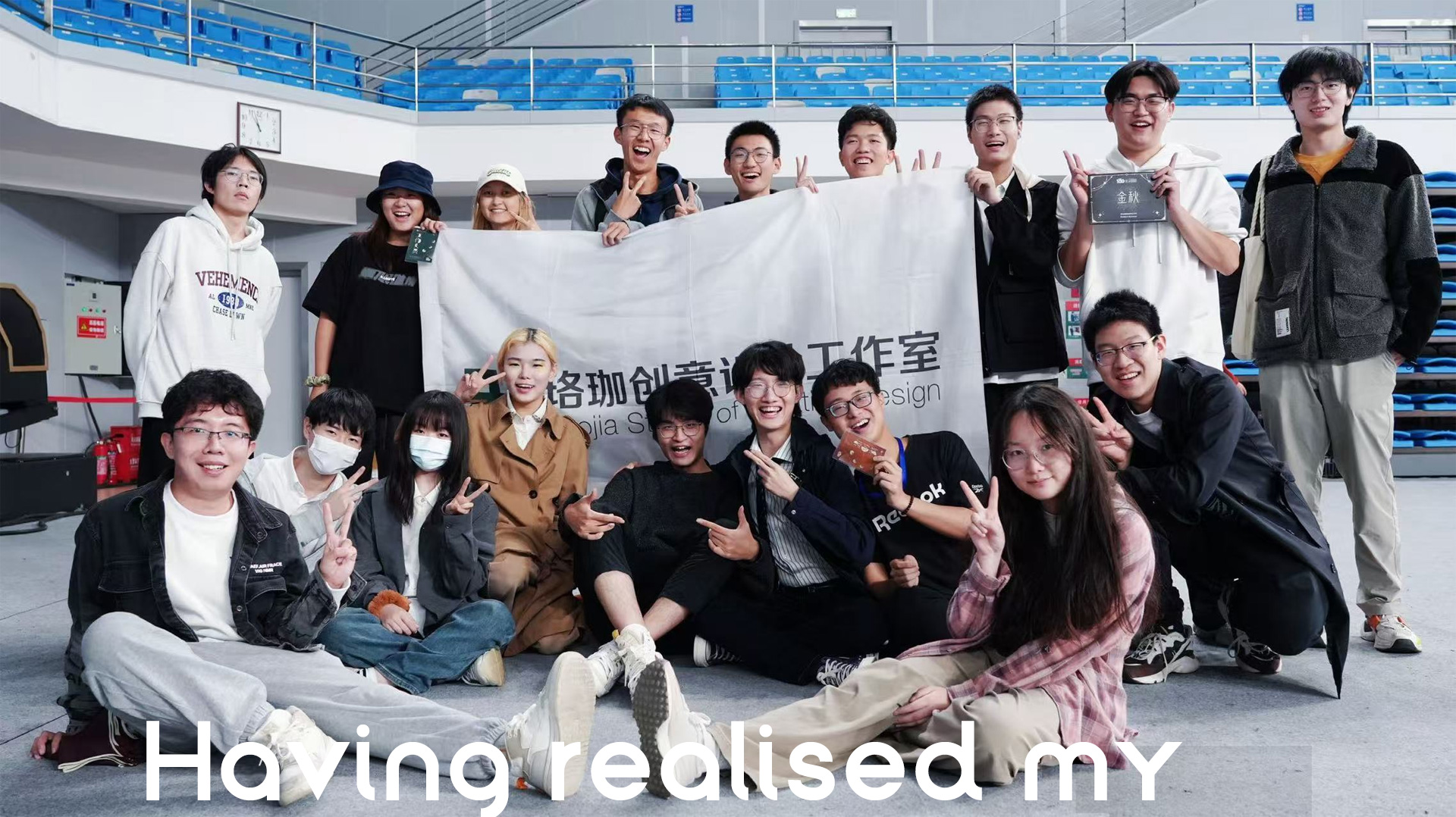

I have now turned my attention back to games – a passion that has accompanied me since childhood and which I am finally free to pursue. I began researching both board games and video games almost simultaneously, poring over extensive materials. It was precisely this immersion that revealed the current shortcomings in game education within higher education. The cultivation of gaming talent lacks a structured theoretical framework. Every discipline has its own standardized terminology—when I mention 'selective exposure' or 'pseudo-environment',
you'll understand exactly what I mean. Yet a single game can be described by countless different labels. I've witnessed countless debates over whether The Werewolves of Miller's Hollow is fundamentally an identity-based game or a deduction-based game. Though I no longer stream games myself, I still encounter numerous gaming commentators online. They discuss without consistent terminology standards, using whatever terms are popular at the time. For instance, 'MOBA' and 'DOTA-like' essentially describe the same phenomenon.

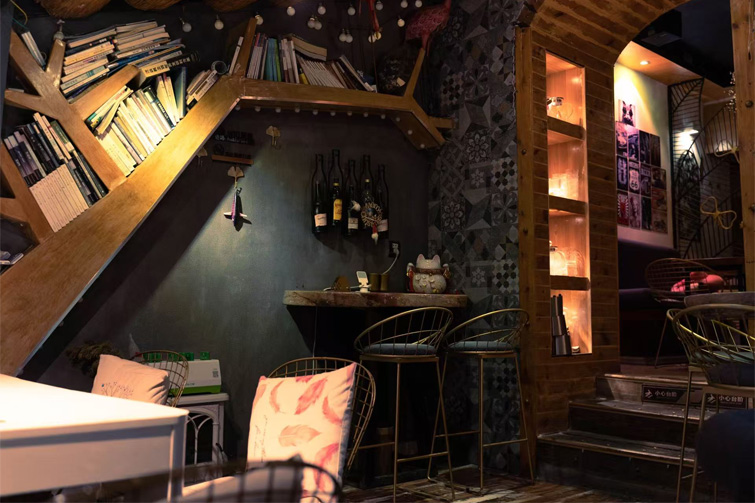
given my passion for games, why not take matters into my own hands? After all, this industry and field held immense potential. I knew I wasn't ready back then, so to explore the gaming world further, I started a board game club. In less than six months, I mastered almost five hundred board games. Using my influence at the university, I took charge of promotion and management. Before long, my club became the most popular non-electronic entertainment spot in the area. This space provided me with a prime opportunity to study and understand games. There, I designed three board games: one has been successfully commercialized, and another is currently in the planning stage for publication.
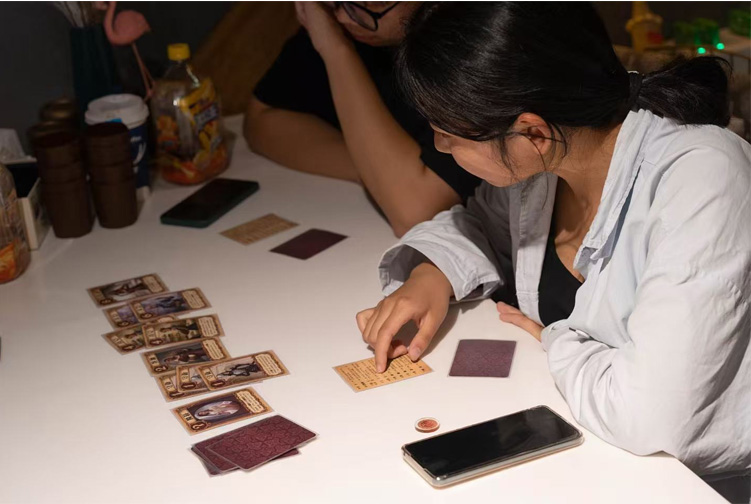
Video game demos are constantly being developed, and I'm always eager to transform my freshest ideas into tangible creations. For instance, I adore The Bazaar, so I created a similar card game blending real-time and turn-based mechanics. This hybrid genre, impossible in board games, represents something entirely novel and profoundly captivating. After extensive involvement in projects and gaming experience, I resolved to write the theoretical treatise on game taxonomy that had long occupied my mind. The first draft of this book is now nearing completion.
Now, as a creator and someone about to graduate from university, a new question confronts me: what shall I do next?
I wish to promote games and popularise gamification design. I aspire to become a game designer; each day at the board game club, I am utterly captivated by the joy people derive from the game. I long to be the one who creates that happiness for them. I have but one life, yet the possibilities are endless. But having read this far, you should understand the sort of person I am: when an idea takes hold, I shall never cease pursuing it.